
.svg)

The Australian Treasury’s 2026 Intergenerational Report asks us to look 40 years into the future.
By Clare Gilligan, Principal, Urbanistik / Development Director, Crace Holdings
That’s a long horizon for a country used to solving housing problems one election, budget or planning cycle at a time.
By 2065–66, Treasury expects the number of Australians aged 85 and over to triple. For many of us, the years after work will be a major part of our adult lives. Someone retiring at 65 may have decades ahead before they need support and that’s decades of life we should be designing for.
Yet we still plan housing around narrow life stages - first home, family home, downsizer, retirement and, eventually, aged care.
In that sequence, retirement living is often treated as a short transition or a safety net as we become less able. Too often, we wait until something goes wrong, then make one of the biggest housing decisions of our lives under pressure.
Why do we leave that choice until we are least ready to make it?
We also tend to build for retirement with small cookie-cutter homes on quiet, peripheral parcels of land, then wonder why people feel isolated. Later life belongs in the middle of things for everyone’s benefit, close to family, nature, culture and community.
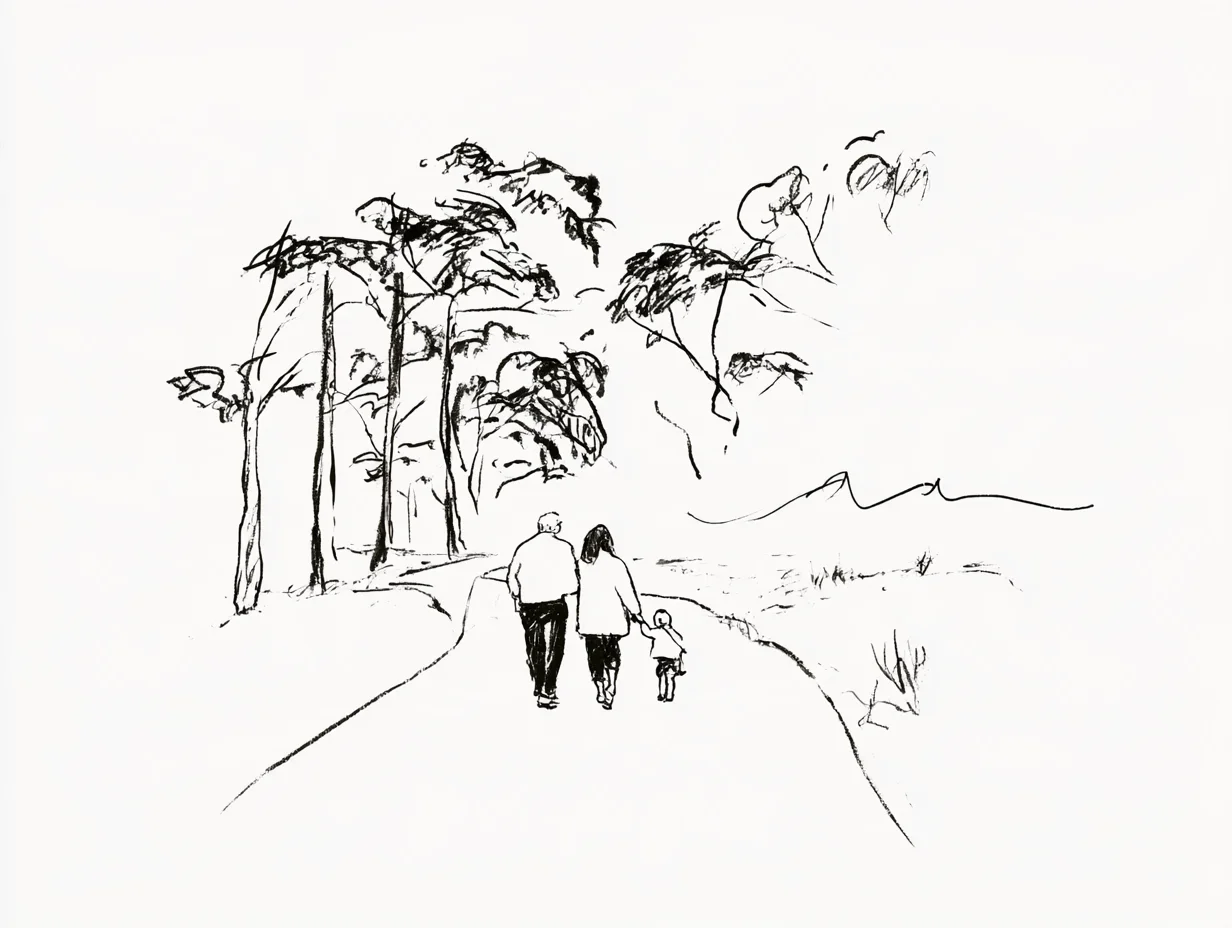
What if the place you chose at 55 could still be right at 105?
That’s the thinking behind the proposed Gungahlin Homestead Estate in Canberra, where regenerative design is shaping a very different retirement living experience. This will be a community for people who are still busy, still adventurous and in no hurry to slow down, unless it’s to finally do the things they’ve never had time for.
For me, that means less time spent on life’s admin and more time for living - catching up with friends over a long lunch or heading off on the next trip.
When I first discovered Gungahlin Homestead I was struck by its tranquillity. There is a restorative quality to the land that made us think differently about what the next chapter for the site could be.
The homestead has been part of Canberra’s story since 1865. In the proposed masterplan, it is the hub of the community.
For many Australians, needing assistance later in life often means having to leave their home and the community they chose. It means giving up familiar neighbours, routines and connections just when they matter most.
Part of the problem is thinking about retirement as one brief stage in life. But there is a huge difference in what individuals want and need from their homes and their communities in the decades between 55 and 105.
A person’s needs, ambitions and independence can shift a lot in half a century. Our homes should shift with them.
The Gungahlin Homestead masterplan starts with that view. It doesn’t assume there is one type of retiree, or one type of retirement home.
The masterplan is designed as a series of micro-neighbourhoods. Pedestrian-first streets, micro-mobility, shared spaces and amenity on site are intended to make everyday life connected and active. The choice of housing is dynamic too, ranging from large homes and apartments through to high care.
Changing homes will be possible, to meet changing needs, without leaving your community.
If Australians are living longer, our housing needs to move beyond the idea that life after work is simply a brief stepping stone to decline.
The homes we plan now will shape how today’s 40-year-olds live when they reach 80. The Intergenerational Report has given us plenty of notice. Whether we spend it building more of the same or something better is the choice in front of us now.