
.svg)

Australia is projected to fall more than 260,000 homes (21%) short of its National Housing Accord target. The debate is dominated by the numbers around approvals, supply, density and speed of delivery.
But a more important question is being overshadowed in the rush to deliver numbers, and that is, what kind of homes are we building, and how does design affect how quickly and successfully we can provide them?
I recently visited Europe's largest inner-city regeneration project at HafenCity in Hamburg, which stands out as a beacon of both quantity and quality.
Built across 157 hectares of former port land, HafenCity is transforming Hamburg's waterfront into a mixed-use district for 15,000 residents and 45,000 workers.
What is striking is not just the scale of housing development but how early design decisions have shaped both the speed and quality of delivery.
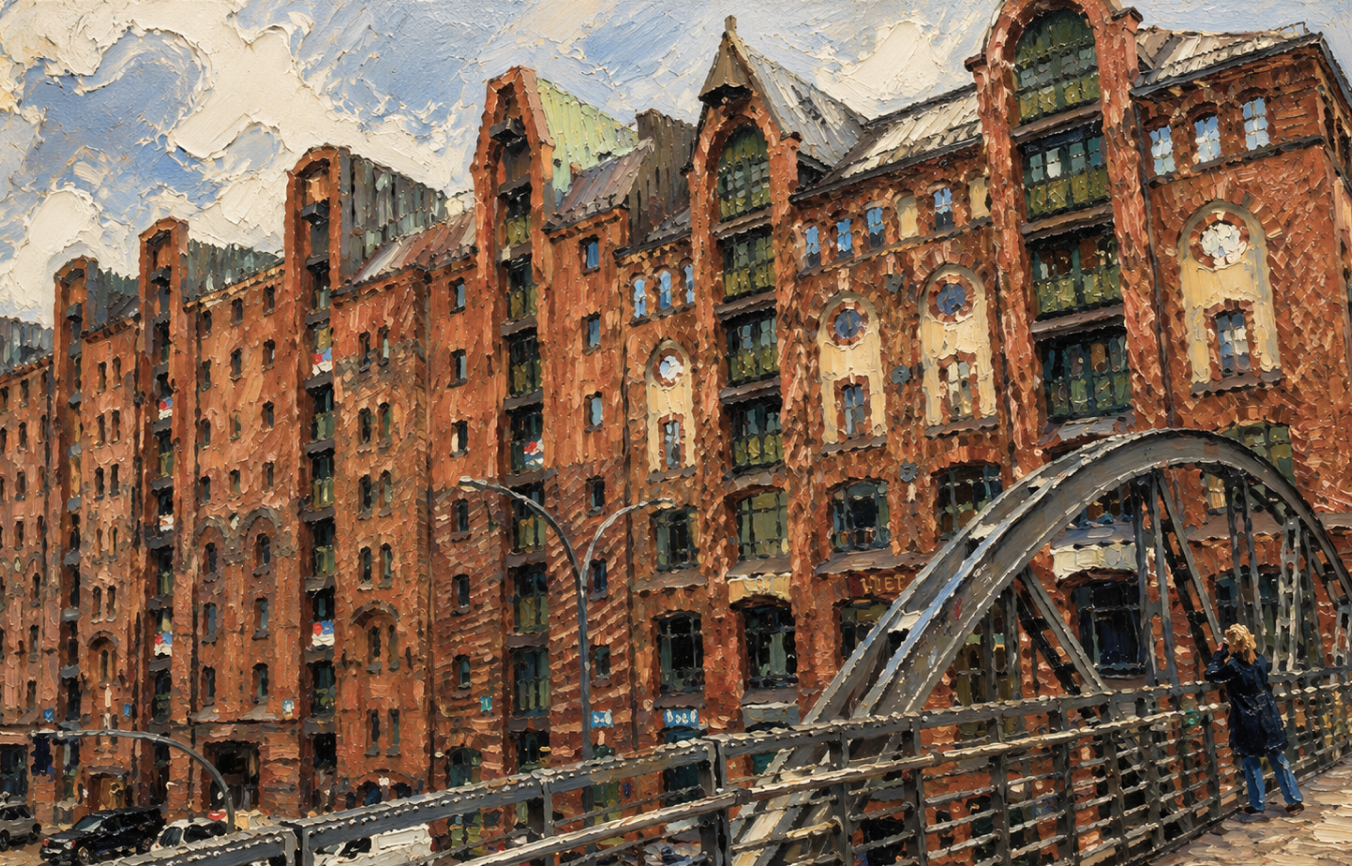
Hamburg made some early decisions that significantly shaped the development. Developers were selected on design quality, social mix and environmental performance, not simply on the highest land price. That decision has produced an expansive precinct where housing diversity, commercial activity, heritage preservation and climate resilience have been successfully integrated from the outset.
Bordering HafenCity is Speicherstadt, the world's largest historic warehouse district and a UNESCO World Heritage Site, now closely integrated with the contemporary city. Then there is the Elbphilharmonie concert hall, a globally recognised example of adaptive reuse built on top of a former 1960s cargo warehouse.
Even flood resilience is embedded in the design logic. Rather than setting development back outside the maximum flood zone, HafenCity uses its ground levels in a way that makes provision for water frontages to flood during storm surges of up to four metres. Flood-proof glass-fronted shops and commercial spaces, fitted with protective barriers, continue to operate while safeguarding apartments and other essential uses above.
One of my strongest impressions was how different places like this feel without traffic dominating – more EVs, stronger public transport, better walkability and multi-use public spaces where people come first. The air is cleaner, the atmosphere is quieter, you can feel the stress levels drop. This does not happen by accident. It reflects long-term systems thinking, integrated planning, and policy settings that align design ambition with delivery capability.
This is where the Australian housing debate often narrows into a speed versus quality trade-off. In practice, smart design is not a brake but the key to streamlining delivery at scale.
When systems thinking design is used, rather than just applying prescriptive development codes, infrastructure can be better integrated and more versatile, community engagement has more value, and long-term adaptability and resilience improve.
Australia's housing challenge will rightly continue to focus on increasing supply. But HafenCity is a reminder that the fastest path to more housing is not narrower options, but better decisions made earlier, through a wider, more flexible design lens.
We do not need to choose between building more homes and building better cities. The real opportunity is recognising that smart design facilitates both at scale, at pace, and with healthier, more liveable communities as a result.