
.svg)

For a long time, the goal of responsible development was sustainability, that is building and planning to meet today's needs without compromising those of future generations. It was, and still is, an important idea. But as ecological loss and social disconnection accelerate, sustainability alone isn't enough anymore.
Regenerative development asks a bigger and more hopeful question: "What if the places we build could actually leave the world better than they found it?"
Going beyond "do no harm"
Conventional development takes from the land and gives back as little as it can get away with. Sustainable development tries to break even. Regenerative development aims to give back more than it takes, for people, nature and Country.
Regenerative development treats every project as an opportunity to work with natural systems rather than against them, letting the existing landscape, hydrology, ecology and cultural heritage shape the development, not the other way around.
Three things it gets right
At its core, regenerative development gets three things right that conventional approaches consistently miss:
Living systems. Ecology, water, energy and materials are managed as interconnected cycles, not as items for disposal.
Designing for place. Each project is rooted in the unique character, culture and heritage of its site.
Connection to Country. Indigenous knowledge and custodianship are woven into design, community life and long-term stewardship.
What does it actually look like?
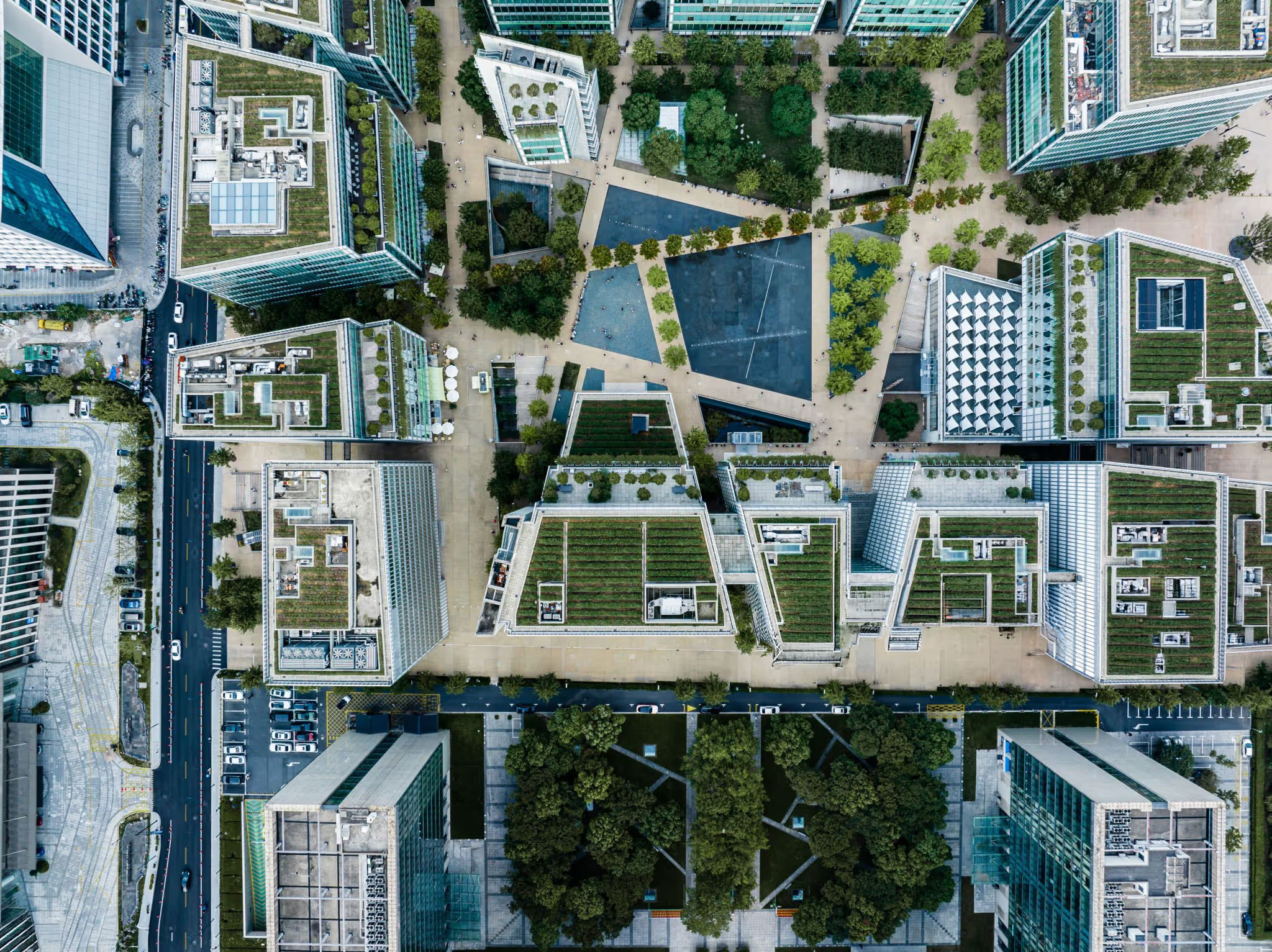
In practice, regenerative development produces tangible outcomes that you can see and feel. Here are some of the ways it shows up in real projects:
- Buildings designed around existing mature trees
- Biodiversity corridors valued as highly as pedestrian pathways
- Water returned to the hydrological cycle rather than managed as waste
- Native food sources re-established to nurture Country
- Community ownership models that build in long-term custodianship
- Economic resilience and social connection designed alongside ecology
- Designing equally for all species, with habitat, food sources and safe movement for birds, insects, reptiles and native wildlife given the same consideration as human amenity
"Regenerative development encourages communities to support and create positive relationships that benefit society and our environments, allowing the system to evolve and adapt to changing circumstances."
— Clare Gilligan, Director, Urbanistik
Why now?
The sustainability movement was a vital response to the problems of the 20th century. But in many ways, the goal – to meet today’s needs without compromising the future – has already been breached.The regenerative approach accepts that truth and responds with the genuineambition to design communities and landscapes that actively repair what has been lost.
At Urbanistik, regenerative development is the lens through which we approach every project. It is how we believe places should be made.